

Business Credit Cards
Best Business Credit Cards of January 2025

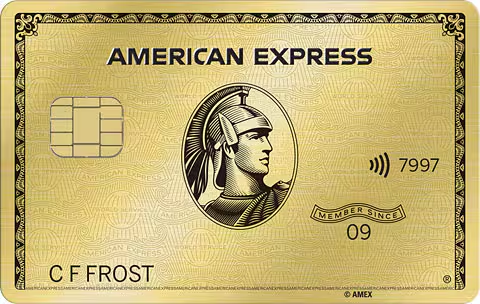
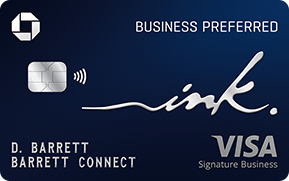
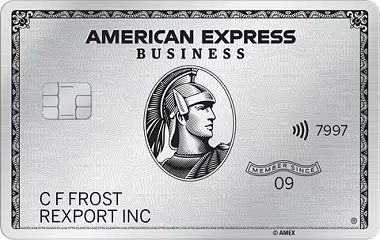
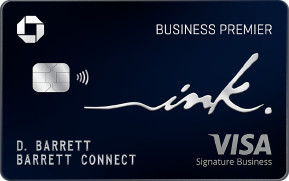

Business Credit Card Guide: 10 Factors to Consider
Choosing the right business credit card is essential for managing expenses, building business credit, and maximizing rewards. Here’s a guide with 10 key factors to consider when selecting a business credit card
1. Business Needs and Spending Habits
- Analyze your business expenses: Are most purchases for office supplies, travel, marketing, or daily operations?
- Choose a card that aligns with your spending categories to maximize rewards or cashback benefits.
2. Rewards Program
- Types of Rewards: Cashback, points, or miles. Select based on your preferences:
- Cashback: Good for everyday business purchases.
- Points/Miles: Ideal for travel-heavy businesses.
- Look for cards that offer bonus rewards in categories where you spend the most, such as dining, travel, or gas.
3. Interest Rates (APR)
- Understand the Annual Percentage Rate (APR):
- Introductory APR: Some cards offer 0% APR for a promotional period, which is helpful for large purchases or balance transfers.
- Regular APR: Check the ongoing interest rate after the promo period ends.
- Avoid carrying a balance to minimize interest costs.
4. Annual Fees
- Some business credit cards charge annual fees, often ranging from $95 to $500 or more for premium cards.
- Consider whether the benefits (e.g., higher rewards, travel perks) outweigh the cost of the annual fee.
- Many no-annual-fee cards still offer competitive rewards.
5. Credit Limit
- Evaluate the credit limit offered based on your business’s financial needs.
- Ensure the card provides enough flexibility for large purchases without exceeding the limit or risking a high credit utilization ratio.
6. Employee Cards
- Determine if the card allows you to issue employee cards at no additional cost.
- Check if you can set spending limits on employee cards to control expenses.
- Look for tools to track and categorize employee spending.
7. Business-Specific Benefits
- Some cards offer perks tailored to businesses, such as:
- Expense management tools.
- Year-end spending summaries.
- Integration with accounting software like QuickBooks.
- Travel and purchase protections.
8. Sign-Up Bonus
- Many business credit cards offer attractive sign-up bonuses for meeting a spending threshold within the first few months.
- Example: Earn $500 cashback or 100,000 points after spending $5,000 in the first 3 months.
- Ensure the spending requirement aligns with your business’s budget.
9. Foreign Transaction Fees
- If your business involves international transactions, choose a card with no foreign transaction fees.
- These fees can add up (typically 1%-3% of each transaction) and impact profitability.
10. Building Business Credit
- Select a card that reports payment activity to business credit bureaus (e.g., Dun & Bradstreet, Experian Business).
- Responsible use of the card—such as paying balances in full and on time—helps establish and improve your business credit score.
Bonus Tips for Choosing a Business Credit Card
- Fraud Protection: Ensure the card offers robust fraud protection and zero liability for unauthorized purchases.
- Introductory Offers: Compare cards with promotional benefits like 0% APR or no annual fee for the first year.
- Redemption Options: Check how easy it is to redeem rewards (e.g., automatic cashback, transfer points to travel partners).
Frequently Asked Questions (FAQs) About Business Credit Cards
A business credit card is a financial tool designed for businesses to manage expenses, build credit, and streamline financial operations. It often provides rewards, expense tracking, and higher credit limits tailored to business needs.
- Credit Reporting: Business cards often report activity to business credit bureaus, helping build a business credit profile.
- Rewards and Perks: Rewards programs are often tailored to business spending categories, such as office supplies, travel, or advertising.
- Higher Limits: Business cards typically offer higher credit limits to accommodate larger expenses.
Any business owner can apply, including:
- Sole proprietors.
- Freelancers or contractors.
- Small business owners.
- Entrepreneurs and startups. Lenders will assess your creditworthiness based on your personal credit score and, if applicable, your business credit profile.
Yes, you can get a business credit card as a sole proprietor or freelancer. Even if you don’t have employees, a business credit card can help separate personal and business expenses.
- Expense Management: Keep business and personal finances separate.
- Rewards: Earn cashback, points, or miles for business-related purchases.
- Higher Credit Limits: Accommodate larger business expenses.
- Employee Cards: Issue cards to employees and track their spending.
- Business Credit: Build a business credit profile for future loans or financing.
No, most lenders evaluate your personal credit score when approving a business credit card, especially for startups or small businesses without established credit.
Yes, most business credit cards require a personal guarantee, meaning you are personally liable for any unpaid balances. This is standard for small businesses and startups without significant credit history.
- Cashback: Earn a percentage of your spending back as cash.
- Points: Accumulate points to redeem for travel, gift cards, or merchandise.
- Miles: Earn travel miles for flights, hotels, or other travel-related expenses.
Technically, yes, but it’s not recommended. Mixing personal and business expenses complicates bookkeeping and could create tax issues. Many cardholder agreements also prohibit personal use.
- If the card is personally guaranteed, late payments or high balances could impact your personal credit score.
- Responsible use typically does not affect personal credit unless the account becomes delinquent.
Yes, many business credit cards allow you to issue employee cards, and their spending contributes to your rewards. Some cards also let you set spending limits for employee cards.
The interest and fees incurred on a business credit card are often tax-deductible if the expenses are for legitimate business purposes. Always consult with a tax professional for guidance.
Some business credit cards charge annual fees, which can range from $95 to $500 or more for premium cards. Evaluate whether the benefits outweigh the fee. Many no-annual-fee options are also available.
If you cannot pay the bill:
- Interest will accrue on the unpaid balance.
- Late payments may result in fees and penalties.
- Your personal credit score may be affected if the card is personally guaranteed.
Yes, but options may be limited. Some secured business credit cards are designed for those with poor credit. These cards require a security deposit and can help build your credit.
Credit limits vary by issuer and depend on your personal and business creditworthiness. Business credit cards often have higher limits than personal cards, making them suitable for larger business expenses.
Some business credit cards charge foreign transaction fees (typically 1%-3%) for purchases made outside the U.S. If your business involves international transactions, look for a card with no foreign transaction fees.
Yes, many business credit cards allow balance transfers, often with promotional interest rates. This can help consolidate debt or lower interest costs on existing balances.
Consider the following:
- Your business spending habits.
- Rewards that align with your expenses (e.g., travel, office supplies).
- Fees (e.g., annual, foreign transaction).
- Employee card options and spending controls.
- Introductory offers and perks.
To apply, you’ll need:
- Personal information (e.g., Social Security Number, personal income).
- Business details (e.g., business name, EIN or Tax ID, annual revenue, and expenses).
- Proof of identity and legal business documentation (for larger corporations).