

Credit Cards
Best Credit Cards of January 2025
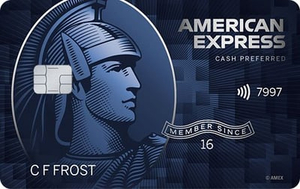
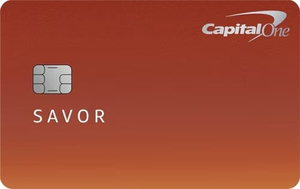
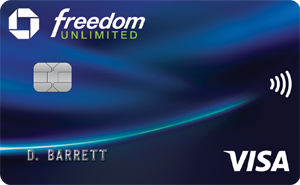

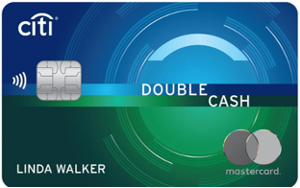
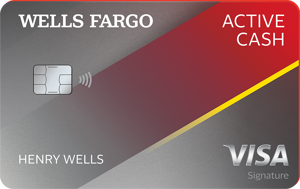
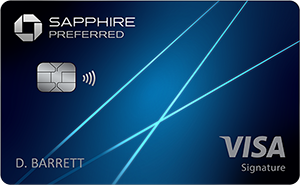
A Beginner's Guide To Credit Cards
A credit card is a financial tool issued by banks, credit unions, or other financial institutions that allows you to borrow money up to a pre-approved limit to make purchases, pay bills, or withdraw cash. It operates on a credit system, meaning you’re borrowing money from the card issuer with the promise to repay it later, usually with interest if the balance isn’t paid off in full by the due date.
Key Features of a Credit Card:
- Credit Limit: The maximum amount of money you can borrow on the card.
- Interest Rate (APR): The annual percentage rate charged if you carry a balance beyond the payment due date.
- Minimum Payment: The smallest amount you must pay each month to avoid penalties.
- Billing Cycle: The period (usually 30 days) during which purchases are tracked and billed.
- Rewards and Benefits: Many credit cards offer perks like cashback, travel miles, or points for spending.
Advantages:
- Convenience and security for purchases.
- Builds your credit history if used responsibly.
- Offers rewards, discounts, and special benefits.
- Provides short-term borrowing without interest if balances are paid in full each month.
Disadvantages:
- Risk of high-interest charges if balances aren’t paid off.
- Can lead to debt if overspending occurs.
- Fees like annual fees, late payment fees, and cash advance fees may apply.
4. Check the Investment Options
- Range of Assets: Some brokers specialize in stocks and ETFs, while others offer mutual funds, bonds, options, or even cryptocurrencies.
- Specialized Accounts: If you need specific accounts like IRAs, ensure the broker supports them.
- International Investments: Check if the broker allows access to foreign markets if needed.
A secured credit card is a type of credit card designed for people with no credit history or poor credit scores to help them build or rebuild their credit. The key difference between secured and traditional (unsecured) credit cards is that secured cards require a security deposit upfront, which acts as collateral for the credit limit.
How Secured Credit Cards Work:
- Security Deposit:
- You pay a refundable deposit, typically equal to your desired credit limit (e.g., a $500 deposit gives you a $500 credit limit).
- This deposit minimizes the issuer’s risk since it can be used to cover unpaid balances if you default on payments.
- Using the Card:
- You use the card like any other credit card for purchases, up to your credit limit.
- The issuer reports your payment activity to the credit bureaus, helping you build credit over time.
- Monthly Payments:
- You receive a statement every billing cycle and must make at least the minimum payment.
- If you don’t pay in full by the due date, you’ll incur interest charges.
- Credit Building:
- Responsible use (paying on time, keeping balances low) helps improve your credit score.
- Over time, you may qualify for an unsecured credit card and get your security deposit back.
- Deposit Refund:
- When you close the account (in good standing) or upgrade to an unsecured card, the security deposit is returned.
Benefits of Secured Credit Cards:
- Credit Building: Ideal for establishing or rebuilding credit.
- Lower Risk: Issuers are more likely to approve people with limited or damaged credit.
- Deposit Return: Your deposit is refunded when the account is closed or upgraded.
Things to Consider:
- Fees: Some secured cards have annual fees or high interest rates, so it’s important to compare options.
- Credit Reporting: Ensure the card issuer reports to all three major credit bureaus (Experian, Equifax, and TransUnion).
- Low Credit Limit: The limit is usually tied to the deposit, so it may be lower than an unsecured card.