
Explore Our Blogs
Insightful Tips
Discover practical tips to enhance your meal planning and make nutritious choices effortlessly.
12 Healthy Dinner Ideas
- August 24, 2022
How to Make Valerian Tea?
- August 19, 2022
Can You Eat Too Much Fruit?
- August 19, 2022
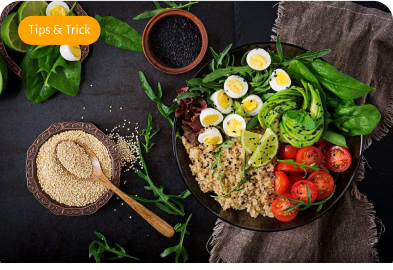
Nourishing Recipes for Seniors: Eating Well After 60
- August 24, 2022
Discover delicious, nutrient-rich recipes perfect for seniors.
Essential Food Safety Tips for Seniors
- August 19, 2022
Learn vital food safety tips to keep seniors healthy.
Nourishing Recipes for Seniors: Eating Well After 60
As we age, our nutritional needs change, making it essential to focus on meals that provide the right balance of nutrients while being easy to prepare and digest. For individuals over 60, incorporating nutrient-dense foods into their diets can help maintain energy levels, support overall health, and prevent chronic diseases. Here are some tips for creating delicious recipes that cater to the unique dietary needs of seniors.
- Focus on Whole Foods: Choose whole, unprocessed foods rich in vitamins and minerals. Fresh fruits, vegetables, whole grains, lean proteins, and healthy fats should form the backbone of meals. For example, a quinoa salad with mixed greens, cherry tomatoes, cucumbers, and a drizzle of olive oil provides a satisfying and nutrient-rich meal.
- Incorporate Healthy Fats: Healthy fats are crucial for brain health. Include sources like avocados, nuts, and fatty fish such as salmon in your recipes. Try baking salmon with a lemon-herb crust and serving it alongside roasted sweet potatoes and steamed broccoli.
- Boost Flavor with Herbs and Spices: As taste buds change with age, it’s important to enhance flavors without relying on excessive salt. Fresh herbs like basil, parsley, and cilantro, along with spices such as garlic and ginger, can elevate dishes and provide additional health benefits.
- Easy-to-Digest Ingredients: Seniors may have digestive sensitivities, so opt for foods that are easier on the stomach. Steamed vegetables, soft fruits, and whole grains like oatmeal can help avoid discomfort while providing essential nutrients.
- Batch Cooking and Freezing: Prepare meals in bulk and freeze them in individual portions. This not only saves time but also ensures that nutritious meals are readily available. Soups, stews, and casseroles are great options for batch cooking.
By focusing on nutrient-dense recipes tailored for seniors, we can help ensure they enjoy flavorful, healthy meals that support their well-being.
Essential Food Safety Tips for Seniors
Food safety is crucial for everyone, but it’s especially important for seniors, who may have weakened immune systems. Understanding how to handle and store food properly can help prevent foodborne illnesses and ensure that meals are safe to eat. Here are some essential food safety tips that seniors should keep in mind:
- Proper Food Storage: Ensure that foods are stored at the right temperatures. Refrigerate perishable items within two hours to prevent bacterial growth. Check your refrigerator regularly to discard expired items and avoid cross-contamination.
- Thaw Foods Safely: When thawing frozen foods, always do so in the refrigerator, cold water, or the microwave—never at room temperature. This helps prevent harmful bacteria from multiplying.
- Wash Hands and Surfaces: Before preparing meals, wash your hands thoroughly with soap and water. Clean all surfaces, utensils, and cutting boards to avoid cross-contamination, especially after handling raw meats.
- Cook Foods Thoroughly: Ensure that foods are cooked to safe internal temperatures to kill harmful bacteria. Use a food thermometer to check that meats, poultry, and casseroles reach the recommended temperatures.
- Mindful of Leftovers: Store leftovers in airtight containers and consume them within three to four days. If unsure about a leftover’s safety, it’s best to err on the side of caution and discard it.
- Stay Hydrated: Seniors may not feel thirsty as often, but hydration is vital for overall health. Encourage the consumption of water, herbal teas, and hydrating fruits and vegetables.
By prioritizing food safety, seniors can enjoy their meals with confidence, ensuring they are not only delicious but also safe for consumption. Proper practices can lead to healthier eating habits and improved overall well-being.